The Bhagavad-gita was delivered on a battlefield. But its lessons were never only for warriors. They were for anyone who has ever stood at a crossroads — uncertain, afraid, and needing clarity. Today we explore Ego Is the Enemy of Leadership: What Krishna Teaches Modern CEOs.
Setting the Scene

The Bhagavad-gita opens on a battlefield — but Ego Is the Enemy of Leadership is a teaching for anyone who has ever stood at a crossroads. Arjuna, the greatest archer of his age, drops his bow. Not from weakness — from moral confusion. Krishna's 18-chapter response is one of the most complete leadership manuals ever written.
What Krishna Actually Said

In addressing ego is the enemy of leadership, Krishna does not offer comfort. He offers precision. He asks Arjuna — and every reader — to examine the basis of their decisions: fear, ego, attachment to outcome, or a clear sense of duty? The teaching invites full engagement with life — without the paralysis of attachment to results.
The Sanskrit Foundation
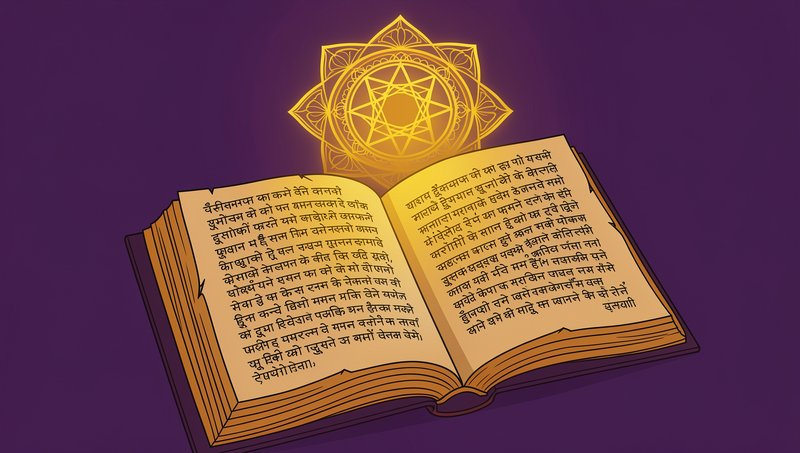
Nainaṁ chindanti śastrāṇi nainaṁ dahati pāvakaḥ / na cainaṁ kledayanty āpo na śoṣayati mārutaḥ
"The soul can never be cut into pieces by any weapon, nor burned by fire, nor moistened by water, nor withered by the wind." (Gita 2.23)
Why the Modern Mind Resists This

The modern mind has been trained to optimise outcomes. Every action is evaluated against its expected return. This creates a specific suffering: the inability to act freely, because every action carries the weight of its possible failure. The Gita's invitation is to act from clarity — not from fear of getting it wrong.
Applying This in Your Life and Work

Applying Ego Is the Enemy of Leadership in practice means building the habit of asking, before any decision: what is the right action here, independent of what it produces for me? Leaders who operate from this place are, paradoxically, more effective — because they are not crippled by the fear of being wrong.
What This Looks Like in Practice

- Before any significant decision, separate the 'right action' question from 'what will this produce for me'. Answer the first. Act on it.
- Begin meetings by defining success in terms of process quality — not outcome. What must we do well today, regardless of the result?
- At day's end, review not what you achieved but what you chose — and whether those choices were aligned with your values.
A Reflection

The wisdom in Ego Is the Enemy of Leadership is not passive acceptance. It is active, engaged, committed action — free from the paralysis of attachment. As relevant in a boardroom as it was on the field of Kurukshetra.
"The Gita does not ask you to abandon the world. It asks you to engage it — fully, wisely, without fear." — Dibyendu Choudhury
Ready to Go Further?
Explore my books on the Bhagavad-gita, leadership, and ancient wisdom — available on Amazon India.
Get the Book on AmazonPublished 3 July 2026 by Dibyendu Choudhury — author, MSME policy researcher, and consultant.
Go deeper
Want the full playbook on this? Read The Bhagavad Gita: Timeless Wisdom for Modern Leaders — a companion e-book from the library.